Training community leaders in Rwanda
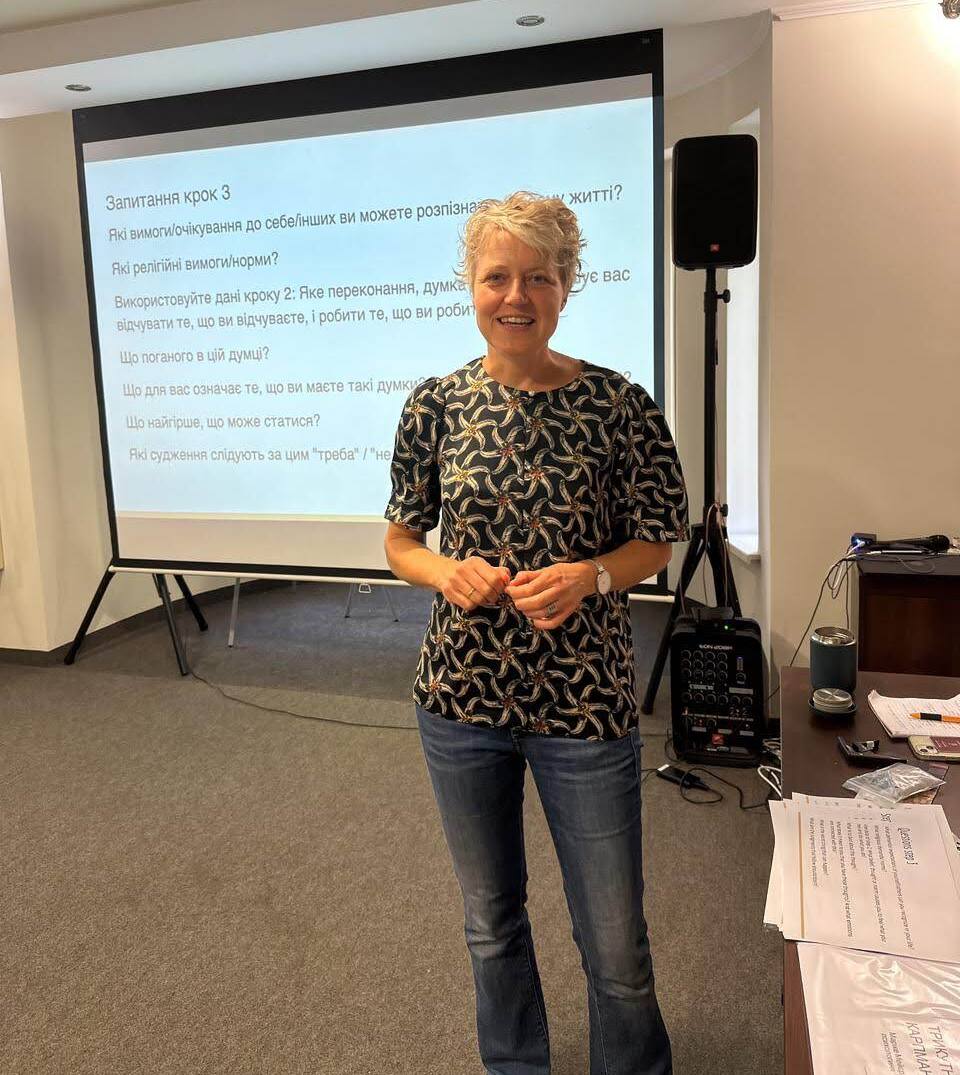
Training chaplains in Ukrain
Report: Faith based Psychology Training in Rwanda
Date: 22–27 October 2026
Location: Rubengera (Karongi district) and Kigali and surroundings
Trainers: Marieke Meijer (psychologist, Msc), Anna van Eyk (Msc)
Thirty years after the genocide, the consequences are still evident in everyday life. Nevertheless, the community has shown resilience and the country has undergone tremendous development. For example, many young people are now well educated. Unfortunately, there is also the strain of untreated trauma on communities. Also unemployment is high, leading to poverty, addiction and conditions such as depression, amongst other things.
The responsibility for caring for people with mental health issues often falls to those who, in one way or another, lead a community, such as pastors and community leaders. They are generally not trained to help people build their mental resilience. As there is not yet widespread access to the expertise of psychology and mental health organisations, they do take on this responsibility. That is why we have offered them training in the basic principles and tools of psychology.
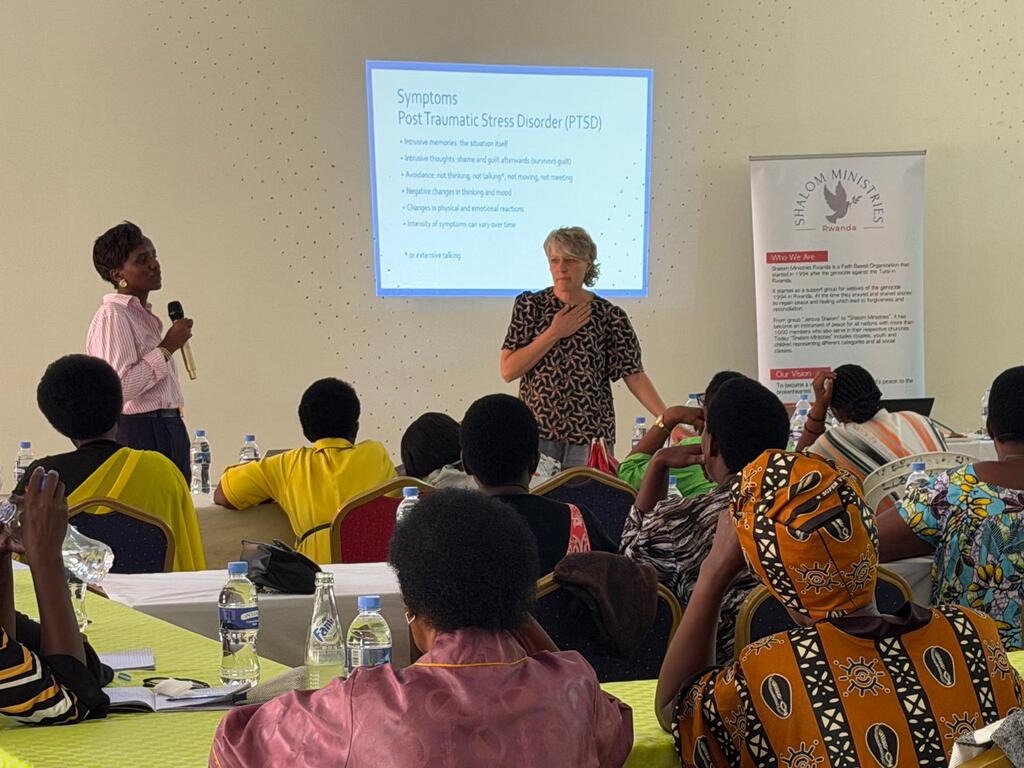
Between 22 and 27 October 2026, we trained two groups of over forty community leaders in Rwanda in the basics of psychology. The trainings focused on strengthening mental health in local communities, with special attention to the role of counselors, sisters, pastors and community leaders. The trainings took place in Rubengera (Karongi district) and Kigali, in collaboration with the community of deaconesses 'Abaja ba Kristo' and Shalom Ministries, respectively.
The aim of the training was to provide participants with practical tools for recognising, naming and guiding psychological processes, with an emphasis on naming feelings and behaviour and recognising communication patterns.
One group consisted of sisters, pastors and counselors from the neighborhood of Rubengera, Karongi district. The second group consisted of community leaders associated with Shalom Ministries from Kigali and the surrounding area.
During the training there was a lot of opportunity for questions and exercises. The participants were extremely motivated and committed. They asked a lot of questions and were willing to practice in order to be able to apply and experience the theory themselves. As a result, what we wanted to convey seemed to come across well and to be integrated into the knowledge and experiences already available.
The power of the community is great in Rwanda. The power of faith, dance, music and prayer is also enormously supportive. This makes the resilience of these communities solid. The psychological tools brought can strengthen the talking part of counselors' work.
2. Program and Topics
The training consisted of two days per group, with a focus on both theoretical knowledge and practical application. The first day focused on the individual psychological processes, such as naming feelings, behavior and thoughts. The second day focused on the communication processes based on the drama triangle. In addition, the theory of trauma was explained.
The basis of all the psychological theory discussed is the conviction that as human beings we all have value in Christ and that there are no conditions to his love for us. Therein lies our relaxation and freedom to move and make choices.
Day 1: Individual psychological processes
Topics:
- Naming feelings, thoughts and behavior.
- Basic principles of psychological processes (e.g., emotion regulation, cognitive patterns).
- Maslow's pyramid: The importance of meeting basic needs (food, shelter) before building mental strength.
Practice:
- Exercises in recognizing and naming emotions.
- Reflection on own experiences and application in practice.
Day 2: Communication Patterns and Trauma
Topics:
- The drama triangle (victim, judger, rescuer) as a tool to promote healthy communication.
- Trauma: Explanation of PTSD (Post-Traumatic Stress Disorder), recognition of symptoms and first aid.
- Self-care for counselors: Setting boundaries, dealing with pressure, putting back responsibility, and the importance of teamwork.
Practice:
- Role plays with the drama triangle to stimulate responsibility in clients.
- Interaction about cases and dilemmas from practice.
3. Key Insights
During the training, the following key points emerged:
Short-term vs. long-term goals:
Short-term: Immediate solutions to acute problems (e.g. food, shelter, medical care). See Maslow's pyramid.
Long term: Building mental resilience by:
- Naming emotions and helping clients find words for their feelings.
- Stimulating self-reliance with the help of the drama triangle: letting clients think about solutions themselves, leaving the responsibility with them. As a counselor, standing next to it to motivate, instead of taking over or judging.
- The importance of setting boundaries and self-care, such as relaxation, for counselors, to prevent burnout.
Trauma and serious psychological complaints
- Severe PTSD: Requires specialized help. In the absence of these, it is crucial to:
- Putting your own safety first (e.g. distancing yourself in case of aggression).
- Discuss suicidality openly. This is hard work for untrained counselors.
- Working in teams and spreading responsibility to share the burden.
In summary:
Participants were highly motivated and engaged.
Theory was well integrated into practice through exercises, questions and discussions.
The combination of psychological tools and power already present in the cultural context is inspiring.
In 2023, the Christian Medical Association Ukraine (CMA) recognized the urgent need for mental health support in Ukraine, especially within communities near the front lines of conflict. They asked us, partnering with Hospitainer, to train pastors and chaplains. Pastors play a significant role in providing this support, working tirelessly with congregations and military personnel. Their dedication and continuous efforts since the onset of the war have left many exhausted and in need of respite and training.
Role of Pastors in Mental Health Care
Pastors in Ukraine are pivotal in offering mental support to their communities. Many serve congregations close to the front and also work as chaplains among the military. They spend time with soldiers, engaging in conversations and offering spiritual support upon request. These pastors have reported high levels of stress among both the general population and the military, with numerous soldiers experiencing depression, especially those who have been wounded and see no future. By listening to the pain and struggles of soldiers and church members, pastors strive to respond with compassion and support.
Challenges Faced by Pastors
The continuous engagement in this demanding work since the beginning of the war has left most pastors exhausted. They bear the weight of their own stress, alongside the emotional burdens of those they serve. This exhaustion highlights the need for rest, recuperation, and training to better handle the emotional toll.
Training Sessions in Lviv
The training week in Lviv was designed to provide pastors and their wives with much-needed rest and psycho-educational tools to support their mental health. The program had three primary goals:
Recognizing and Naming Emotions
The first goal was to enable pastors to recognize and name their own emotions, helping them monitor their energy and limits to prevent burnout. Understanding one's emotions is crucial for maintaining mental health and resilience in the face of ongoing stress.
Interacting with Others
The second goal focused on recognizing and naming emotions during interactions with others. This skill allows pastors to listen and respond more effectively, fostering supportive and empathetic relationships within their communities.
Expert Insights and Practical Tools
The third part of the training was led by a Ukrainian psychiatrist, who shared his experiences and provided practical tools tailored to the pastors' field of work. These tools helped pastors translate psychological concepts into their everyday interactions and support efforts.
Reception and Impact
Despite not being accustomed to discussing emotions or focusing on themselves, the pastors were extremely motivated to learn. Their willingness to be vulnerable and practice assignments created a warm and open atmosphere during the training. The presence of trainers from outside the conflict zone, unburdened by the stress of war, facilitated open discussions on vulnerable topics.
Conclusion
The training week in Lviv underscored the importance of supporting mental health in conflict zones. The dedication of Ukrainian pastors to their communities and military personnel is commendable, and providing them with the tools to manage their own mental health is crucial. Through this training, we contributed to empowering pastors to continue their vital work with renewed energy and resilience.